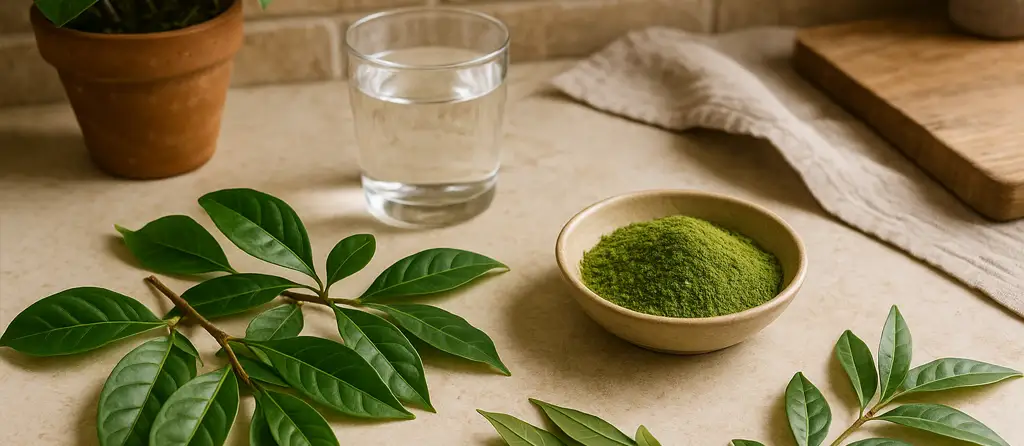
If you’ve ever wandered into the world of weight loss fads or advice, you’ve likely heard of green tea for weight loss. This little leafy wonder isn’t just good for your morning zen; it’s actually packed with fat-fighting compounds and has some amazing properties that can make a noticeable difference in your journey to shed those extra pounds. What’s even more fascinating? Researchers are finding that green tea may activate some of the same biological pathways as GLP-1 drugs like Ozempic—offering natural appetite and blood sugar support without the needles.
Before we dive in, let’s get one thing straight: weight loss is not magic, and neither is green tea. But, armed with a daily cup (or several) of this green elixir—and a little help from WaistErase—you might just find yourself feeling leaner, lighter, and a lot more energetic than you thought possible.
The Skinny on Green Tea: What’s the Hype All About?
To understand why people rave about green tea for weight loss, you’ve got to get familiar with two little chemicals: catechins and caffeine. Catechins are antioxidant superheroes that help fight fat by boosting your metabolism and helping your body break down fats more efficiently. Then there’s caffeine, which, as you may know, gives your metabolism a short but sweet lift.
But wait, there’s more! Green tea has something called epigallocatechin gallate (EGCG)—an antioxidant powerhouse known to ramp up your body’s fat-burning machinery. Researchers have found that green tea, when paired with regular physical activity and a balanced diet, can help your body burn calories and reduce fat stores more effectively than caffeine or exercise alone. Some studies even suggest that EGCG can indirectly support the same pathways GLP-1 drugs target, such as regulating blood sugar, suppressing appetite, and improving metabolic efficiency.
Unlike synthetic medications, green tea offers a more holistic approach. Instead of forcing hormonal changes, it works with your body’s natural mechanisms—enhancing the gut-brain connection, modulating hunger hormones like leptin and ghrelin, and encouraging steady, sustainable results. This makes it one of the most well-rounded and accessible natural metabolism boosters available today.
How Green Tea Helps with Weight Loss: The Science
So, why does green tea for weight loss work so well? Here’s the breakdown:
Boosts Thermogenesis.
Simply put, thermogenesis is your body’s ability to burn calories and generate heat. Studies have shown that the catechins in green tea enhance thermogenesis, meaning you’re burning a little more energy—even when you’re just lounging on the couch. This gentle metabolic boost is similar to how GLP-1 drugs increase energy expenditure by improving cellular efficiency and glucose utilization. Over time, consistent thermogenic activity leads to higher calorie expenditure and improved fat oxidation.
Speeds Up Fat Oxidation.
When you drink green tea, especially Green Tea Extract like in WaistErase, you’re promoting fat oxidation. This means that the fats you consume (and the fats stored on your body) get broken down and used for energy more efficiently. Green tea’s ability to enhance fat oxidation through AMPK activation—a cellular energy sensor—parallels one of the mechanisms GLP-1 medications use to improve metabolic balance. This increased rate of fat oxidation helps prevent fat storage and encourages lean body composition.
Curbs Cravings and Supports Appetite Regulation.
Here’s where the connection to GLP-1 gets really interesting. Green tea catechins and caffeine can influence gut-brain signaling, supporting the release of hormones involved in satiety, including GLP-1 itself. Research indicates that green tea polyphenols can help increase the body’s natural GLP-1 production, promoting longer-lasting feelings of fullness and reducing food intake—without the pharmaceutical intervention. This is one of the main reasons people experience fewer cravings and steadier hunger when drinking green tea consistently. Some preliminary data even suggests that green tea compounds may slow gastric emptying, mimicking the prolonged fullness effect GLP-1 agonists are known for.
Stabilizes Blood Sugar Levels.
Green tea has a way of keeping blood sugar levels in check, which is crucial when trying to lose weight. Stable blood sugar means fewer cravings and better energy control. By improving insulin sensitivity and supporting glucose metabolism, green tea offers a gentler, plant-based mimic of GLP-1’s blood sugar–balancing benefits. When paired with WaistErase, the impact on blood sugar control can be even more substantial. Some studies show that consistent green tea intake may even reduce post-meal glucose spikes, helping you maintain steady energy and avoid those afternoon crashes that lead to overeating.
Reduces Stress and Cortisol Levels.
Chronic stress can sabotage weight loss efforts by elevating cortisol, a hormone linked to increased appetite and fat storage—especially around the midsection. Green tea contains the amino acid L-theanine, which promotes relaxation without drowsiness. Combined with caffeine, it creates a balanced mental clarity that helps control stress-related eating and emotional cravings. This mind-body balance further complements GLP-1 pathways by keeping appetite hormones in check.
Green Tea for Weight Loss: Benefits Beyond the Scale
The benefits of green tea go far beyond just weight loss. In fact, if you drink green tea regularly, you’ll be setting yourself up for a healthier life in more ways than one. Here are some of the health perks you can expect:
Heart Health. Studies suggest that green tea may help reduce risk factors for cardiovascular disease by lowering LDL cholesterol and triglycerides. Better lipid management means a healthier heart and improved circulation—both essential for maintaining metabolic health.
Antioxidant Powerhouse. Green tea is packed with antioxidants, which help combat oxidative stress—a major contributor to aging and chronic disease. This antioxidant activity supports cellular repair, enhances recovery, and promotes overall longevity.
Brain Boost. The caffeine and L-theanine combo in green tea helps with focus, memory, and overall cognitive function. This doesn’t just make you smarter; it keeps you alert without the coffee jitters. Long-term green tea drinkers also show better cognitive resilience as they age, thanks to its neuroprotective compounds.
Reduced Inflammation. Chronic inflammation is a sneaky culprit behind many diseases. The antioxidants in green tea help reduce inflammation, which can also contribute to a healthier metabolism. Research also shows that lower inflammation levels improve GLP-1 activity naturally, meaning your body becomes more efficient at managing energy and hunger. By calming systemic inflammation, green tea creates an internal environment where fat loss and hormonal balance can thrive.
Gut Microbiome Support. A lesser-known benefit of green tea is its positive impact on gut health. Studies have shown that catechins can promote the growth of beneficial gut bacteria, including strains associated with improved metabolism and fat regulation. Since GLP-1 is produced in the gut, this microbial balance can further enhance the body’s natural satiety signals and glucose control, effectively amplifying green tea’s GLP-1–like effects.
Hormonal Harmony. Some research suggests that green tea can help support overall hormonal balance, particularly in women. By moderating insulin and cortisol levels, it helps maintain a stable internal environment that promotes easier weight regulation. For those dealing with metabolic or perimenopausal shifts, this can make a meaningful difference.
How I Incorporated Green Tea into My Daily Routine
I won’t lie: drinking green tea for weight loss every single day can get a little repetitive. Here’s how I managed to stick with it (and make it enjoyable):
Morning Kickstart: I’d brew a strong cup of green tea first thing in the morning. That initial caffeine hit, combined with the catechins, woke me up without making me feel wired.
Post-Lunch Pick-Me-Up: Around 2 p.m., when the afternoon slump would normally kick in, I’d reach for another cup of green tea. This helped curb any cravings and kept me feeling full until dinner.
Green Tea Extract in WaistErase: This is where WaistErase came into play. Instead of brewing green tea all day, WaistErase let me get concentrated Green Tea Extract along with other weight-loss supporting ingredients—meaning I didn’t have to drink gallons of tea to get the full benefits. Plus, the combination in WaistErase supports pathways that mimic GLP-1 function naturally, helping control appetite and blood sugar more effectively.
Why WaistErase Takes Green Tea for Weight Loss to the Next Level
While drinking green tea was great, I wanted a holistic approach that wouldn’t leave me tethered to my kettle. WaistErase became my secret weapon. It’s loaded with Green Tea Extract, but also combines it with other science-backed ingredients to keep my metabolism humming, curb cravings, and enhance fat burn. Here’s why WaistErase worked so well for me:
Potent Green Tea Extract: Instead of brewing multiple cups of tea, WaistErase provided a concentrated dose of Green Tea Extract, letting me enjoy the metabolism-boosting effects without the fuss. Its active compounds work synergistically with Berberine and Chromium to enhance the body’s natural GLP-1 response—supporting fullness, stable energy, and glucose control.
Added Benefits: WaistErase isn’t just about green tea; it contains Glucomannan for appetite control and Berberine to support blood sugar. This means I got a broader range of benefits that worked synergistically for weight loss and hormonal balance. The inclusion of multiple GLP-1–supporting ingredients made it feel like a complete, natural alternative to pharmaceutical options.
Convenience: A simple supplement was easier to integrate into my busy routine, giving me the flexibility to stay consistent with my weight loss goals.
Tips for Getting the Most Out of Green Tea for Weight Loss
Pair with Protein-Rich Meals: Drinking green tea with meals high in protein can help amplify its metabolism-boosting effects and improve satiety.
Add a Squeeze of Lemon: Vitamin C enhances the absorption of catechins, so adding a squeeze of lemon can make your green tea even more effective.
Don’t Overdo the Caffeine: Green tea does have caffeine, so if you’re sensitive to it, consider decaf options or lower doses of Green Tea Extract.
Be Patient: Green tea for weight loss isn’t an instant fix. It’s about consistency and letting the compounds work over time, naturally supporting GLP-1 pathways to help you feel satisfied longer.
Stay Hydrated: Green tea is mildly diuretic, meaning it encourages fluid balance in the body. Make sure you’re drinking enough water to stay hydrated and maintain healthy digestion and energy.
Combine with Movement: While green tea enhances metabolism, combining it with daily movement—whether it’s a brisk walk, yoga, or strength training—can exponentially increase results. Regular activity also enhances your body’s natural GLP-1 secretion, working in harmony with green tea’s metabolic support.
Final Thoughts: Why Green Tea for Weight Loss Worked for Me
So, does green tea for weight loss actually work? Absolutely! While it’s not a magic potion, adding green tea into your routine—and enhancing it with WaistErase—can make a real difference. Green Tea Extract provides many of the same benefits people love about GLP-1 drugs: improved appetite regulation, steady blood sugar, and efficient fat metabolism—without injections, nausea, or cost.
If you’re ready to try green tea for weight loss, go for the best of both worlds: sip your tea, and add a high-quality supplement like WaistErase that harnesses concentrated Green Tea Extract as part of a synergistic, science-backed formula. Nature’s version of GLP-1 support might just be sitting in your cup.