When life gets loud, your body gets receipts. Stress doesn’t just live in your head, it shows up in your sleep, your cravings, your mood, your cycle, and that “why am I crying at a dog food commercial” moment.
So, what does ashwagandha do for women, specifically?
Ashwagandha (Withania somnifera) is one of the most-studied adaptogenic herbs for stress, sleep, and resilience, and newer research is also exploring its role in perimenopause and menopause symptoms, plus areas like sexual health and cognitive performance.
Let’s break down what it does, how it works, who it’s best for, and how to use it safely.
Quick Answer: What Does Ashwagandha Do For Women?
Depending on the extract and dose, studies suggest ashwagandha may help women:
Feel less stressed, with measurable reductions in cortisol in some trials
Sleep better, especially for non-restorative sleep and sleep quality
Support perimenopause or menopause symptom scores in some clinical studies
Improve aspects of sexual function in healthy women with low desire in one RCT
Potentially support focus, mood, and cognitive markers, early evidence, still emerging
And yes, it’s having a moment culturally too, because we’re living in the age of “cortisol everything.”
What Is Ashwagandha?
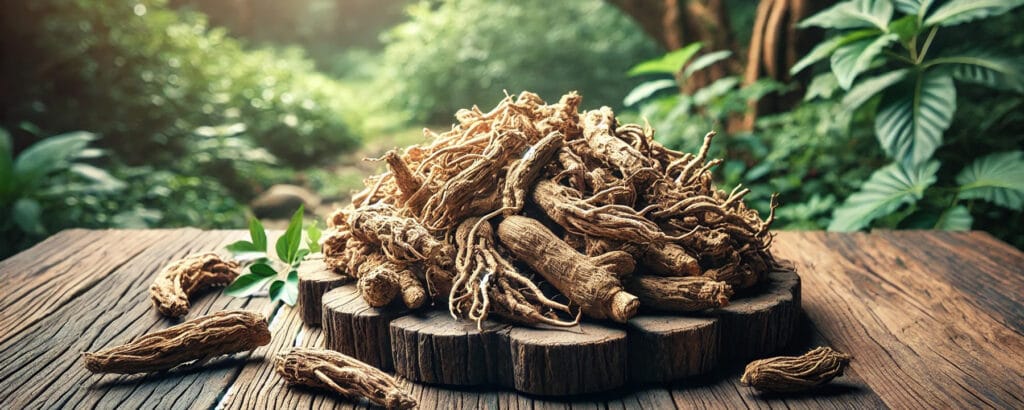
Ashwagandha, aka Withania somnifera, is a plant used in Ayurvedic traditions for centuries. Modern supplements typically use root extract, sometimes root + leaf extract, standardized for active compounds called withanolides.
If you’ve seen names like KSM-66, Sensoril, or Shoden, those are branded extracts used in multiple studies, which matters because not all ashwagandha products are the same strength or composition.
How Ashwagandha Works in the Body
This is where “adaptogen” stops being a buzzword and starts being useful.
Ashwagandha is most often discussed in the context of the HPA axis, your hypothalamus-pituitary-adrenal stress pathway. When stress becomes constant, your body can get stuck in a loop of elevated stress signaling, disrupted sleep, heightened anxiety, and fatigue.
Clinical research suggests ashwagandha can help reduce perceived stress and, in several trials, lower cortisol, the body’s primary stress hormone.
It may also influence systems tied to mood and calm, like GABAergic signaling and inflammation pathways (most of this mechanistic detail comes from preclinical work, so think “plausible,” not “proven”). The key point is this: it’s not a stimulant, it’s more like a stress thermostat.
Stress Relief: The “Cortisol” Benefit Everyone Talks About
If you’re asking what does ashwagandha do for women who feel wired, tired, and overstimulated, the best evidence lives here.
A 2024 systematic review and meta-analysis of randomized trials found ashwagandha significantly reduced stress, anxiety, and cortisol compared to placebo, with doses commonly in the 125–600 mg/day range for about 30–90 days.
The NIH Office of Dietary Supplements summarizes multiple clinical trials showing improvements in validated stress scales, sleeplessness, fatigue, and cortisol, with some evidence that 500–600 mg/day may perform better than lower doses in certain studies.
Translation: if stress is messing with your sleep, appetite, mood, or patience, ashwagandha is one of the more evidence-backed herbs to consider.
Sleep: Because “Tired” Is Not a Personality Trait
Sleep is where stress cashes its checks.
A 2021 systematic review and meta-analysis (PLOS ONE) found ashwagandha extract had a beneficial effect on sleep in adults, with stronger effects suggested at ≥600 mg/day and ≥8 weeks in the included trials.
There’s also a 2020 randomized, placebo-controlled trial reporting improved sleep quality and non-restorative sleep measures after 6 weeks of standardized extract use.
This matters for women because sleep disruption often spikes during:
High stress seasons (hello, life)
PMS windows
Perimenopause and menopause transitions
And sleep isn’t just rest, it’s metabolic regulation, mood stability, and immune support. If you came here asking what does ashwagandha do for women who can’t “turn their brain off,” sleep support is one of the strongest use-cases.
Hormone Transitions: Perimenopause and Menopause Support
Let’s be precise here, because “balances hormones” is the internet’s favorite sentence.
We do have clinical research suggesting ashwagandha may support symptom scores in perimenopausal and menopausal women, and some studies track hormone markers too.
Perimenopause (climacteric symptoms)
A randomized, double-blind, placebo-controlled study in 100 perimenopausal women used 300 mg root extract twice daily for 8 weeks and found improvements in menopause-related quality-of-life scores and symptom ratings, plus reported changes in estradiol, FSH, and LH compared to placebo.
Menopause
A 2025 randomized, placebo-controlled study (Frontiers in Reproductive Health) reported improvements in menopause symptom scores and perceived stress over 56 days, while also noting the need for broader, longer-term trials.
What this means in real life: If you’re in perimenopause or menopause and your symptoms feel like a chaotic group chat, ashwagandha may support stress, sleep, and some symptom clusters. It’s not a replacement for medical care, and it’s not a guaranteed fix, but the research is moving beyond “maybe” into “promising.”
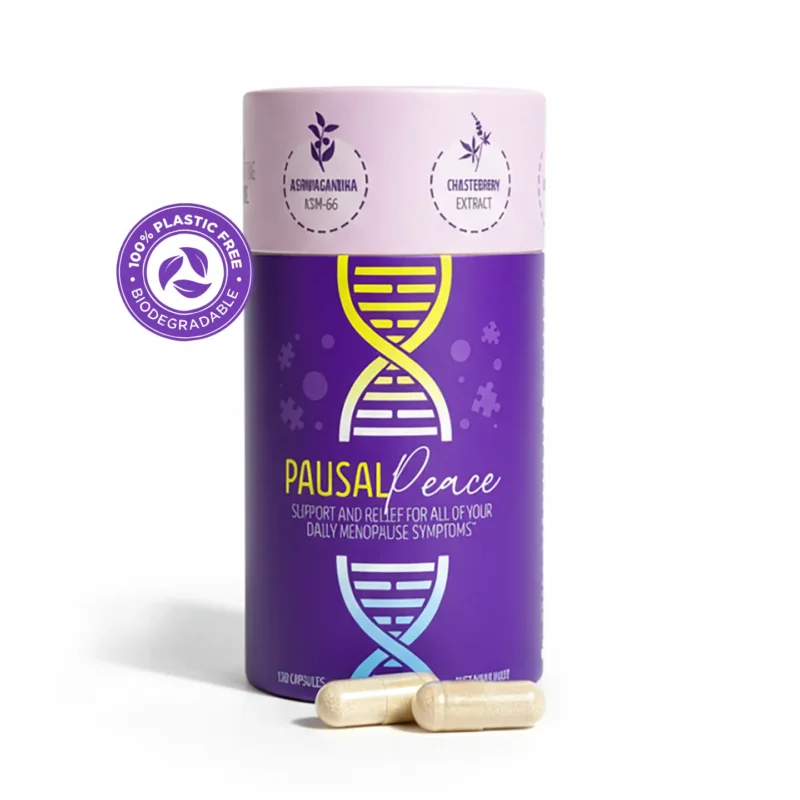
If you’re already using a menopause-support formula like PausalPeace, this is one reason ashwagandha is often a centerpiece ingredient, especially when the goal is calming stress physiology during hormonal change.
Mood, Focus, and Brain Fog: The “I Forgot Why I Walked In Here” Moment
Another common reason people ask what does ashwagandha do for women is brain fog, mental fatigue, and mood swings that feel tied to stress and sleep disruption.
The NIH ODS fact sheet notes trials where participants reported improvements in well-being, memory, and focus alongside reductions in stress and improved sleep quality (again, depending on extract and dose).
More recently, a 2024 clinical trial in Nutrients investigated acute and 30-day supplementation and reported improvements in markers of cognitive function and mood in healthy adults, while emphasizing that more research is still needed.
Daily Fix translation: It’s not “Limitless in a capsule.” It’s more like “less frazzled,” which often looks like better focus.
Sexual Health: Yes, There’s Research Here Too
This part surprises people.
A prospective randomized, placebo-controlled study in healthy women (18–50) with low desire used 300 mg standardized root extract twice daily for 8 weeks and found greater improvements in sexual function and distress measures versus placebo.
This doesn’t mean ashwagandha is a universal libido switch. It suggests that for some women, especially when stress is a factor, supporting stress physiology and well-being might also support sexual health.
Energy and Exercise Performance: Calm Doesn’t Mean Weak
Ashwagandha is interesting because it can support calm without making you feel sedated, and it may support physical performance in some contexts.
A 2020 systematic review and meta-analysis reported ashwagandha supplementation might improve VO₂max in athletes and non-athletes, though the evidence base is still relatively small and heterogeneous.
For women, this is relevant because stress-related fatigue often collides with the desire to stay active. If the body feels less “under threat,” training can feel more doable.
Skin and Hair: The Indirect Glow-Up
Your skin and hair are basically stress barometers.
While direct clinical data on ashwagandha for acne or hair growth is limited compared to stress and sleep research, the indirect pathway is plausible: reduced stress signaling, better sleep quality, and improved overall recovery can support healthier skin and hair patterns over time.
Just keep expectations realistic. If you want topical skin results, don’t rely on an oral herb alone. If you want systemic resilience, ashwagandha makes more sense.
Current Trends: Why Ashwagandha Is Everywhere Right Now
If it feels like every product is suddenly “ashwagandha this, cortisol that,” you’re not imagining it.
Market research reports show strong growth projections for ashwagandha supplements and related formats, driven by consumer demand for stress and sleep support, including newer delivery forms like gummies and functional beverages.
A few trend patterns you’re seeing in 2025–2026:
“Cortisol culture” in wellness content, stress management positioned as metabolic and mood support
Gummies and chews accelerating as a delivery format
Functional beverages featuring ashwagandha for “calm energy” positioning
The upside is accessibility. The downside is quality variation, which brings us to the most important part.
How to Choose a Quality Ashwagandha Supplement
If you’re taking this seriously, treat ashwagandha like a real tool, not a trendy sprinkle.
Look for:
A standardized extract (not just “root powder” unless the dose is very high and clearly labeled)
Known extract types used in research (examples include KSM-66, Sensoril, Shoden)
Clear dosing per serving (mg, not vague proprietary blends)
Third-party testing for identity, heavy metals, and contaminants
Why the testing matters: LiverTox notes that commercial herbal products can sometimes be mixtures or mislabeled, and while ashwagandha-related liver injury appears rare, product quality is part of the risk conversation.
Dosage and Timing: How to Use It (Without Guessing)
There’s no single perfect dose, because studies vary by extract, standardization, and purpose. But clinically studied ranges give a reasonable starting frame.
Common research-based patterns:
Stress and anxiety: often 240–600 mg/day of extract for 6–12 weeks
Sleep: studies frequently use similar ranges, and one meta-analysis suggested stronger effects with ≥600 mg/day and longer duration
Perimenopause symptoms: 300 mg twice daily for 8 weeks in one RCT
Sexual health trial: 300 mg twice daily for 8 weeks
Timing tips (practical, not medical advice):
If your goal is calm and sleep, many people prefer evening dosing.
If your goal is daytime stress resilience, split dosing can make sense.
Give it 2–8 weeks before you judge it, most studies aren’t “one and done.”
Safety: Who Should Avoid Ashwagandha?
This section matters. A lot.
The NIH NCCIH notes that ashwagandha may be safe short-term (up to about 3 months) but long-term safety data is limited. Reported side effects can include drowsiness and GI upset. It should be avoided in pregnancy and breastfeeding, and caution is advised for people with thyroid or autoimmune disorders, upcoming surgery, or those taking certain medications (including sedatives, thyroid meds, diabetes meds, and immunosuppressants).
Also, rare cases of liver injury have been linked to ashwagandha supplements, and LiverTox discusses severity ranges and the importance of discontinuation if symptoms occur.
If you ever develop symptoms like jaundice (yellowing skin/eyes), dark urine, or persistent nausea, stop and seek medical care.
FAQs: What Does Ashwagandha Do For Women, Really?
Does ashwagandha “balance hormones”?
It’s more accurate to say it may support stress physiology and symptom scores, and in some perimenopause research, hormone markers shifted alongside symptoms. It’s not a guaranteed hormone “balancer.”
How fast does it work?
Some people feel subtle effects within 1–2 weeks, but many clinical trials run 6–8 weeks or longer.
Can it help with menopause symptoms?
Some studies suggest improvement in menopause symptom ratings and quality-of-life measures, but more long-term research is needed.
Is it better for sleep or stress?
Both, but stress and sleep are tightly linked, which is why many people experience benefits in both categories. The evidence base is solid enough to call it “promising with real clinical support,” especially short-term.
Final Thoughts: So, What Does Ashwagandha Do For Women?
Ashwagandha’s reputation isn’t just hype, it’s one of the better-studied herbs for helping the body handle stress and sleep disruption. And for women, that can ripple outward into mood, focus, perimenopause and menopause symptom support, and even sexual health in certain contexts.
So what does ashwagandha do for women?
It helps you get back to baseline, calmer nervous system, better sleep, steadier resilience, and fewer stress aftershocks.
Not magic. Not instant. But science-backed enough to earn a spot in a smart routine, especially if you choose a quality extract and use it responsibly.