If it feels like natural wellness has gone from “my aunt’s turmeric latte” to “wait… that was a randomized clinical trial?” you are not imagining it. We are walking into 2026 with more breakthough in holistic research than ever, and the best part is that a lot of it is plant-based, lifestyle-based, or nutrient-based, meaning it is actually doable in real life.
Also, quick Daily Fix reminder before we jump in: “natural” does not mean “magic,” and “holistic” does not mean “ignore your doctor.”
It means we use evidence, physiology, and common sense together. The goal is support, resilience, and feeling like yourself again, not chasing a miracle headline.
What makes 2026 a breakthough in holistic medicine moment
Two big shifts are happening at once:
Researchers are finally measuring the stuff that wellness people have talked about for years, inflammation markers, microbiome changes, epigenetic aging signals, mood scales, sleep quality scores, and more.
The best studies are no longer “one herb vs nothing,” they are looking at combinations, personalization, and real-world outcomes.
So below are 26 advances from the last five years (with extra love for 2025) that are shaping what “natural and holistic” can credibly mean in 2026.
1) Aging is being reframed as a metabolic process, not just time passing
For decades, aging was treated as a passive process. Cells “wear out,” systems slow down, and decline is assumed to be unavoidable. Recent clinical research on GlyNAC, a combination of glycine and N-acetyl cysteine, challenges that narrative. In a controlled human study, older adults supplementing with GlyNAC showed improvements across multiple biological markers associated with aging, including oxidative stress, mitochondrial function, insulin resistance, muscle strength, and gait speed (Journal of Gerontology: Medical Sciences, 2021).
What makes this a breakthough in holistic medicine is the framing. Aging isn’t just about years lived, it’s about how well cells manage energy, neutralize oxidative stress, and repair damage. When those processes are supported, functional decline can slow or even partially reverse. This shifts longevity away from cosmetic outcomes and toward resilience, strength, and daily capacity.
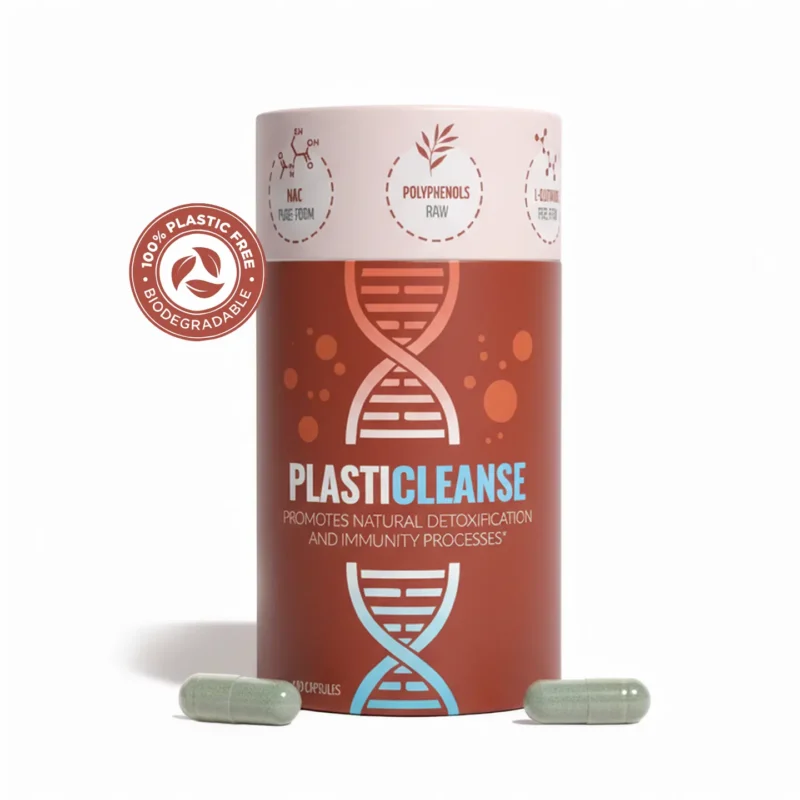
PlastiCleanse reflects this systems-based thinking. NAC supports glutathione production, one of the body’s most important antioxidant defenses, while vitamin C, polyphenols, spirulina, and glutamine support detox pathways and cellular recovery. Instead of aggressive cleansing, the focus is metabolic support that helps the body manage modern stressors more efficiently, day after day.
2) Fermented foods prove diet can directly shape immune signaling
Nutrition research has long focused on macronutrients and fiber, but a randomized controlled dietary trial brought fermented foods into a new light. Participants consuming a fermented-food-rich diet experienced increased gut microbiome diversity and reductions in inflammatory markers compared to those consuming a high-fiber diet (Cell, 2021). This matters because immune health isn’t just about avoiding illness, it’s about tolerance, balance, and appropriate response.
This is a breakthough in holistic nutrition because it shows food doesn’t just feed us, it trains our immune system. Fermented foods introduce live microbes that interact with gut-associated lymphoid tissue, influencing how the immune system distinguishes between threat and normal exposure. That’s a foundational shift in understanding chronic inflammation, autoimmunity, and stress sensitivity.
Rather than chasing elimination diets or extreme restriction, this research supports inclusion, specifically foods that increase microbial diversity and immune communication. It also reinforces why gut health keeps appearing at the center of modern wellness research, because immune balance begins there.
3) Probiotics enter mental health research through the gut–brain axis
The gut–brain axis has moved from theory to trial. A randomized pilot study found that probiotic supplementation led to greater improvements in depression and anxiety scores compared to placebo over eight weeks (Journal of Affective Disorders, 2023). While not positioned as a replacement for therapy or medication, the findings highlight a physiological connection between gut microbial balance, inflammation, and neurotransmitter signaling.
This represents a breakthough in holistic mental health because it reframes mood disorders as multi-system conditions. Stress, anxiety, and depression don’t exist only in the brain. They’re influenced by immune signaling, gut permeability, inflammatory cytokines, and nutrient absorption. Probiotics may help support these upstream systems, creating a more favorable environment for emotional regulation.
The broader implication is that mental wellness strategies can expand beyond isolated symptom management. Supporting digestion, gut integrity, and microbial balance becomes part of emotional resilience, not a separate category.
4) Mindfulness shows clinical parity with medication for anxiety
A randomized clinical trial comparing mindfulness-based stress reduction (MBSR) to escitalopram found that mindfulness was noninferior in reducing anxiety symptoms (JAMA Psychiatry, 2022). This wasn’t a casual meditation study, it involved structured, guided practice with standardized outcome measures.
This is a breakthough in holistic care because it validates nervous system training as a primary intervention. Anxiety isn’t always a chemical imbalance. Often, it’s a system stuck in threat detection mode. Mindfulness works by retraining attention, autonomic balance, and stress response patterns, addressing anxiety at the nervous system level rather than suppressing it.
The significance isn’t about choosing mindfulness over medication. It’s about expanding first-line options and recognizing that consistent behavioral interventions can reshape physiology. For many people, this opens the door to tools that build long-term resilience instead of short-term symptom relief.
5) Psilocybin research reframes how quickly healing may occur
Controlled clinical trials investigating psilocybin-assisted therapy have shown rapid reductions in depression scores compared to low-dose controls (New England Journal of Medicine, 2022). Unlike traditional antidepressants that require daily dosing and weeks to take effect, psilocybin appears to catalyze psychological and neurological shifts within a tightly supervised therapeutic context.
This marks a breakthough in holistic mental health research because it challenges the assumption that healing must be slow and incremental. Researchers are exploring how acute neuroplastic states, combined with guided therapy, can disrupt rigid thought patterns and emotional loops.
It’s important to be clear: this is medical research, not a wellness trend. But the broader insight is profound. The brain is more adaptable than once believed, and under the right conditions, meaningful change may not require years of intervention.
6) MDMA-assisted therapy shifts trauma treatment toward nervous system safety
Phase 3 clinical trials demonstrated that MDMA-assisted therapy produced large, durable reductions in PTSD symptoms compared to placebo (Nature Medicine, 2021). Participants showed improved emotional processing, reduced fear response, and better functional outcomes.
What makes this a breakthough in holistic trauma care is the mechanism. MDMA doesn’t erase memories. It temporarily reduces fear response and increases emotional openness, allowing traumatic experiences to be processed without overwhelming the nervous system. This reframes trauma not as a disorder of memory, but as a disorder of safety signaling.
The implications extend beyond MDMA itself. Trauma-informed care increasingly focuses on restoring autonomic balance, emotional safety, and trust in bodily signals, principles that are now influencing mainstream psychology and integrative wellness practices alike.
7) Vitamin D is recognized as a hormone-like immune regulator
Large-scale trials and meta-analyses have redefined vitamin D as a regulator of immune signaling rather than a nutrient limited to bone health. The VITAL trial found lower incidence of autoimmune conditions among participants supplementing with vitamin D (BMJ, 2022).
This represents a clear breakthough in holistic understanding because immune balance influences far more than illness. Energy levels, mood stability, recovery, and inflammation are all affected by immune signaling. Vitamin D receptors are present throughout the body, including in immune cells and the brain.
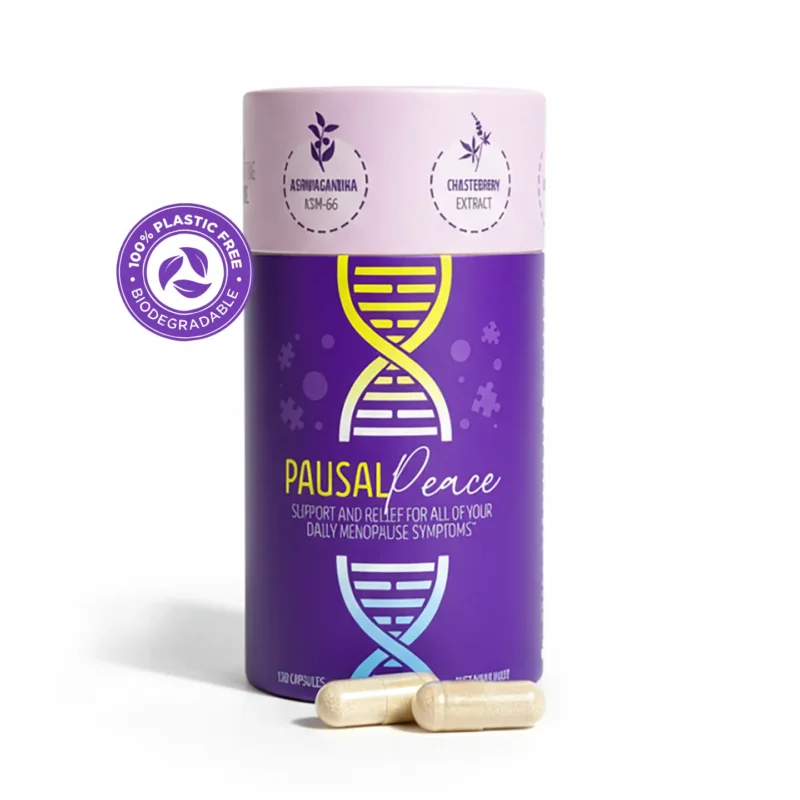
That’s why vitamin D plays a foundational role in PausalPeace. Menopause affects immune balance, stress response, and recovery, not just hormones. Including 1,000 IU of vitamin D, alongside magnesium glycinate, calcium citrate, and methylcobalamin B-12, supports the physiological baseline that calm, steadiness, and resilience are built on.
8) Magnesium bisglycinate gains clinical credibility for sleep support
Randomized, placebo-controlled trials show magnesium bisglycinate improves sleep quality, efficiency, and subjective restfulness in adults with sleep disturbances (Journal of Research in Medical Sciences, 2023). Magnesium’s role in nervous system relaxation and muscle function has long been known, but improved bioavailability forms are now being studied more rigorously.
This is a breakthough in holistic sleep science because it shifts focus from sedation to regulation. Magnesium doesn’t knock you out, it supports neurotransmitter balance and parasympathetic activation, allowing sleep to occur more naturally.
PausalPeace includes magnesium glycinate because sleep disruption during menopause is often tied to nervous system hyperarousal. Supporting relaxation pathways helps the body settle at night instead of fighting itself.
9) Ashwagandha research becomes standardized and more credible
Clinical reviews from the NIH Office of Dietary Supplements have clarified ashwagandha’s effects on stress and cortisol regulation, emphasizing standardized extracts, proper dosing, and safety considerations (NIH ODS, 2023). This moves ashwagandha away from vague adaptogen claims and into evidence-based use.
This is a breakthough in holistic herbal medicine because credibility comes from precision. Knowing which extract works, how much to use, and for whom it’s appropriate builds trust and consistency.
Ashwagandha KSM-66 is included in PausalPeace because it supports stress adaptation without stimulation, helping the body respond more evenly to daily stress rather than amplifying it.
10) Berberine continues to show metabolic support across trials
A 2025 meta-analysis found berberine supplementation was associated with reductions in body weight, BMI, and waist circumference across multiple randomized trials (Frontiers in Pharmacology, 2025). While effects were modest, consistency across studies strengthens confidence in berberine’s metabolic role.
This is a breakthough in holistic metabolism research because it frames weight regulation as a signaling issue, not a discipline issue. Berberine influences glucose metabolism, insulin sensitivity, and lipid pathways rather than forcing appetite suppression.
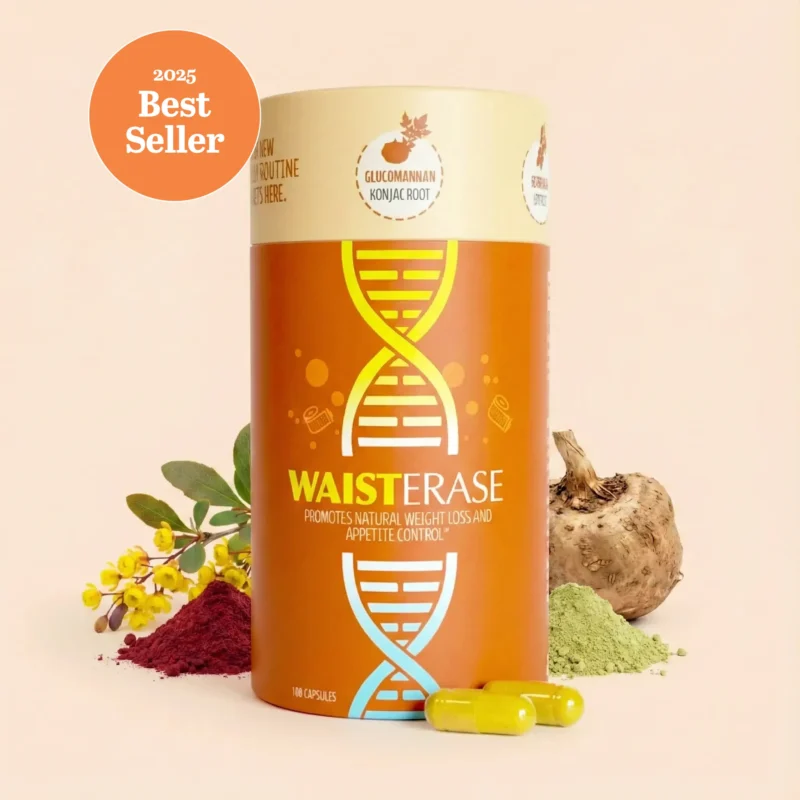
WaistErase uses berberine to support metabolic balance so hunger cues and energy levels feel steadier over time, making sustainable habits more achievable.
11) Glucomannan remains one of the most reliable satiety fibers
Konjac-derived glucomannan continues to demonstrate benefits for appetite control and fullness due to its high viscosity and water-absorbing capacity (Obesity Reviews, 2021). Unlike stimulants, its mechanism is mechanical and physiological.
This represents a breakthough in holistic appetite support because it respects biology. Hunger is often driven by delayed satiety signals, not lack of willpower.
WaistErase includes glucomannan to support fullness and reduce constant food noise, helping people eat more intentionally without feeling deprived.
12) Green tea polyphenols stay relevant because oxidative stress persists
Green tea polyphenols continue to be studied for antioxidant, lipid, and metabolic benefits (Nutrients, 2023). Their relevance hasn’t faded because oxidative stress remains central to aging, inflammation, and metabolic strain.
This is a breakthough in holistic consistency. Not every advance is new. Some are validated over time through repeated evidence.
Green tea extract appears in PlastiCleanse to support antioxidant defenses challenged by modern diets and environmental exposure.
13) Spirulina shows consistent anti-inflammatory effects
A 2025 systematic review and meta-analysis reported spirulina supplementation significantly reduced CRP, IL-6, and TNF-α while increasing antioxidant capacity (Journal of Functional Foods, 2025). Spirulina’s nutrient density and bioactive compounds position it as more than a trend.
This is a breakthough in holistic inflammation research because it links whole-food supplementation to measurable immune markers.
PlastiCleanse includes spirulina to support inflammatory balance and cellular defense, particularly in a world where environmental and dietary stressors are unavoidable.
14) Urolithin A connects mitochondrial health to real-world strength
For years, mitochondrial health was discussed almost exclusively at the cellular level, abstract and disconnected from daily function. That changed when a randomized clinical trial showed that urolithin A supplementation improved muscle endurance and mitochondrial biomarkers in older adults (JAMA Network Open, 2022). This matters because mitochondria aren’t just about longevity, they’re about whether your muscles can keep up with your life.
This represents a breakthough in holistic aging science because it ties cellular cleanup processes, specifically mitophagy, to measurable performance outcomes like muscle fatigue resistance. Instead of focusing on lifespan alone, research is shifting toward healthspan, how strong, capable, and resilient you feel as you age.
The broader implication is that nutrition-derived compounds can support physical independence later in life when paired with movement and recovery.
15) Cocoa flavanols reinforce the idea of food as vascular support
Large-scale trials such as COSMOS have demonstrated that cocoa flavanols can support cardiovascular markers and cognitive performance in older adults (American Journal of Clinical Nutrition, 2023). These benefits appear strongest in individuals with lower baseline flavanol intake, highlighting how modern diets often fall short in phytonutrient diversity.
This is a breakthough in holistic nutrition because it reframes flavonoids as signaling molecules, not just antioxidants. They influence endothelial function, blood flow, and cerebral perfusion, all of which affect energy, focus, and long-term brain health.
The takeaway isn’t to eat more chocolate indiscriminately, it’s that polyphenol-rich foods and extracts can meaningfully support vascular health when consumed consistently and in appropriate forms.
16) Multivitamins surprise researchers in cognitive aging studies
The COSMOS-Mind study found that daily multivitamin use improved memory and overall cognitive performance in older adults over three years (Alzheimer’s & Dementia, 2022). This was unexpected, given the long-standing skepticism around multivitamins.
What makes this a breakthough in holistic insight is that it reframes micronutrient adequacy as a cognitive factor. The brain is metabolically demanding, and even mild deficiencies in B vitamins, minerals, or antioxidants can affect performance over time.
This doesn’t mean multivitamins replace nutrition, but it does suggest that baseline nutrient sufficiency matters more than previously assumed, especially as absorption efficiency declines with age.
17) Pomegranate polyphenols continue to support cardiovascular resilience
Meta-analyses have shown that pomegranate juice and extracts are associated with improvements in blood pressure and endothelial function (Phytotherapy Research, 2022). These effects are linked to antioxidant activity and nitric oxide signaling within blood vessels.
This represents a breakthough in holistic cardiovascular care because it highlights how plant compounds can support vascular flexibility and circulation, not just cholesterol numbers. Blood vessel health influences energy, cognition, and long-term cardiovascular risk.
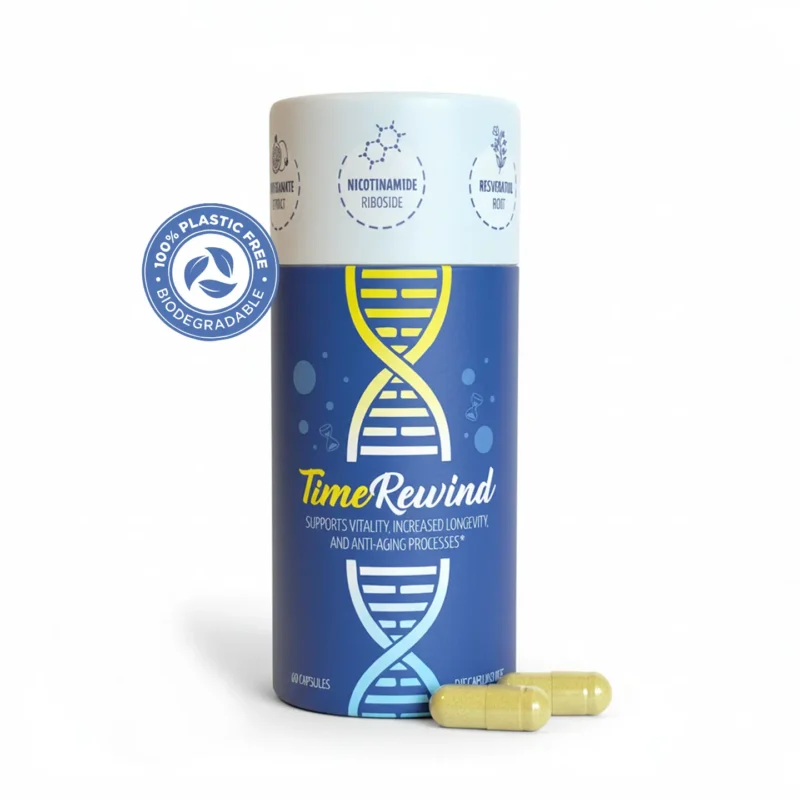
TimeRewind includes pomegranate extract because longevity isn’t only about living longer, it’s about maintaining circulation and oxygen delivery to tissues as the body ages.
18) Nicotinamide riboside keeps NAD+ research moving forward
Human trials continue to explore nicotinamide riboside’s role in boosting NAD+ levels, a coenzyme central to cellular energy metabolism and DNA repair (Nature Communications, 2023). While not all outcomes are dramatic, the consistency of NAD+ pathway research keeps it at the center of longevity science.
This is a breakthough in holistic aging research because it targets foundational cellular processes rather than surface symptoms. Energy production, repair mechanisms, and stress resistance all rely on NAD+ availability.
TimeRewind includes NR to support these cellular energy systems, recognizing that vitality often declines not from one problem, but from cumulative inefficiencies at the cellular level.
19) Resveratrol research matures into nuance, not hype
Recent meta-analyses show resveratrol’s effects vary significantly by dose, duration, and population (Nutrients, 2024). While early hype positioned it as a miracle compound, current research paints a more realistic picture: resveratrol works best as part of a broader polyphenol strategy.
This is a breakthough in holistic thinking because it moves away from hero ingredients and toward synergy. Resveratrol influences inflammatory pathways, oxidative stress, and metabolic signaling, but its impact is context-dependent.
TimeRewind pairs resveratrol with quercetin and pomegranate to create a more comprehensive antioxidant environment rather than relying on a single compound.
20) Quercetin enters the inflammaging conversation
Clinical research has linked quercetin to reduced markers of vascular inflammation and aging-related immune activity (American Journal of Clinical Nutrition, 2023). This positions quercetin as part of the growing focus on “inflammaging,” the chronic, low-grade inflammation associated with aging.
This represents a breakthough in holistic longevity science because it targets one of the most consistent predictors of age-related decline. Managing inflammation isn’t about suppression, it’s about regulation.
TimeRewind includes quercetin to support long-term inflammatory balance, recognizing that vitality depends on keeping immune signaling calm, not constantly activated.
21) Oral hyaluronic acid moves beauty from topical to systemic
Randomized controlled trials show that oral hyaluronic acid supplementation improves skin hydration and elasticity (Clinical, Cosmetic and Investigational Dermatology, 2022). This challenges the assumption that hyaluronic acid only works when applied topically.
This is a breakthough in holistic beauty science because it treats skin as a reflection of internal hydration and connective tissue health. Skin aging isn’t just about surface treatments, it’s about supporting the extracellular matrix from within.
TimeRewind includes hyaluronic acid to support skin, joints, and connective tissue, acknowledging that visible vitality is often a downstream effect of internal support.
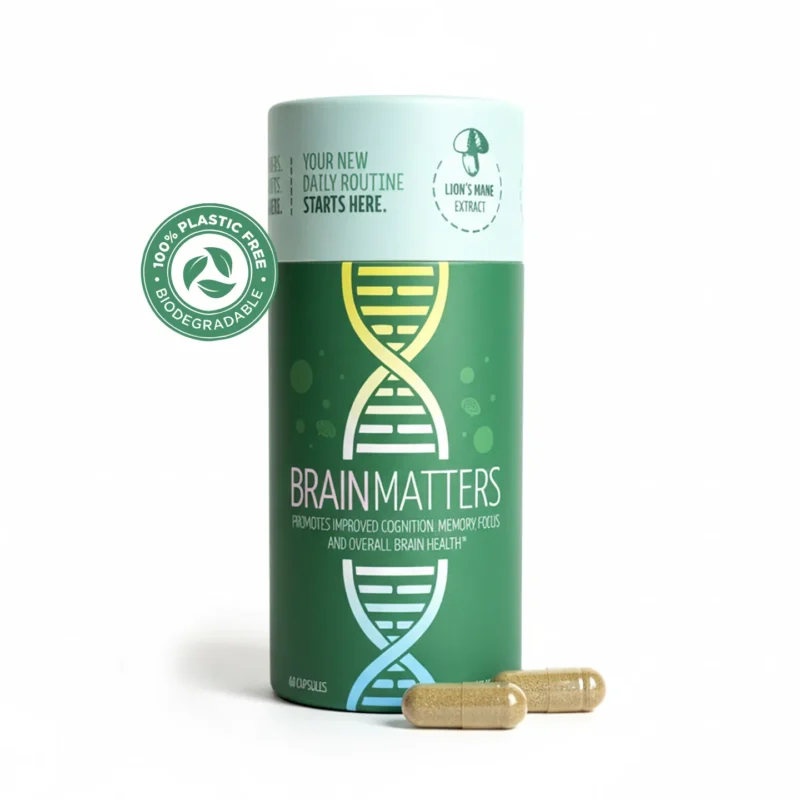
22) Lion’s Mane gains traction in human cognitive research
A randomized controlled trial found that Lion’s Mane supplementation improved cognitive performance and reduced stress-related symptoms in adults (Biomedical Research, 2023). This adds human data to a body of preclinical research on nerve growth factor stimulation.
This represents a breakthough in holistic brain health because it positions functional mushrooms as legitimate cognitive support tools rather than novelty supplements.
23) Bacopa remains one of the most reliable cognitive botanicals
Modern trials continue to support bacopa’s role in memory formation, learning speed, and stress adaptation (Journal of Ethnopharmacology, 2022). Bacopa works gradually, supporting neurotransmitter balance and stress resilience over time.
This is a breakthough in holistic cognition because it prioritizes sustainability over stimulation. Not every brain supplement needs to feel immediate to be effective.
24) Acupuncture continues to show evidence for pain reduction
A randomized clinical trial provided Class I evidence that acupuncture reduced headache frequency in individuals with chronic tension-type headaches (Neurology, 2022). Proper technique and adequate treatment frequency were key factors.
This is a breakthough in holistic pain management because it validates non-pharmaceutical interventions for chronic conditions that often respond poorly to medication alone.
25) Hyperbaric oxygen therapy sparks debate in aging biology
A clinical trial found that hyperbaric oxygen therapy influenced telomere length and reduced senescent immune cells in older adults (Aging, 2020). While early and limited in scope, the findings sparked serious discussion about recovery, oxygenation, and cellular repair.
This represents a breakthough in holistic exploration because it challenges assumptions about aging reversibility. It also highlights the importance of recovery environments, not just interventions.
26) Lifestyle interventions demonstrate epigenetic age shifts
A pilot randomized trial showed that a comprehensive lifestyle program including diet, sleep optimization, stress reduction, and supplementation reduced biological age markers (Aging, 2021). This may be one of the most profound breakthough in holistic findings to date.
The implication is powerful: daily habits influence gene expression. Aging isn’t only inherited, it’s regulated.
This reinforces the Daily Fix philosophy. Supplements don’t work in isolation. They work best as part of a lifestyle that supports recovery, balance, and consistency.
The Daily Fix takeaway
If you read all 26 and thought, “Okay… so what do I actually do on Monday?” here is the point:
The future of holistic wellness is measurable, not mystical.
The winning strategy is stacking small, evidence-based inputs that your body can respond to: sleep support, gut support, metabolic support, nervous system regulation, antioxidant defense, and consistency.
And if you want the Daily Fix version of that, it is exactly why our line is built the way it is: clean ingredients, meaningful doses, and formulas designed for real life, not a label that looks good on Instagram.
Because in 2026, the real flex is not a trend. It is a routine you can actually keep, backed by real breakthoughs in holistic science.